Unlock Rapid Recovery: The Clinical Power of Peptides for Targeted Healing
After a long workout, your muscles feel tired and sore—peptides are short chains of amino acids that your body naturally uses to signal repair and recovery. They work by binding to cell receptors, telling your system to produce more collagen, release growth hormone, or reduce inflammation. This targeted support can speed up healing, strengthen skin, and improve sleep quality. To use peptides effectively, apply a serum topically for skin benefits or follow a doctor’s advice on injectable peptide therapies for muscle recovery.
Understanding What These Amino Acid Chains Actually Do
Understanding what these amino acid chains actually do means recognizing that peptides function as targeted signaling molecules, not just passive protein fragments. Each specific sequence dictates a precise biological instruction, such as triggering collagen production in the skin or signaling muscle tissue to repair after stress. By binding to specific receptors on cell surfaces, these chains initiate cascades of biological activity without the complexity of full proteins. This direct, stratelabs localized action makes peptides exceptionally efficient for influencing processes like cellular repair or metabolic response. Consequently, understanding a peptide’s sequence is directly understanding the specific biological switch it flips, allowing you to predict its practical effect on your body with remarkable accuracy.
How Short Protein Fragments Communicate With Your Cells
Short protein fragments, or peptides, communicate by mimicking natural cellular signaling sequences. These fragments bind to specific receptor sites on cell membranes, triggering internal cascades like kinase activation or ion channel modulation. The process follows a clear sequence: first, the peptide’s unique amino acid sequence matches a receptor’s binding pocket. Second, this physical lock-and-key interaction alters the receptor’s shape. Third, the conformational change activates downstream messengers (e.g., cyclic AMP). Finally, this signal directs the cell to perform a function such as collagen production or inflammation suppression. The fragment’s length and charge determine binding affinity and signal strength.
The Difference Between Signaling Peptides and Functional Ones
Signaling peptides and functional peptides differ fundamentally in their mechanism of action. Signaling peptides act as messengers, binding to cell surface receptors to trigger a cascade, such as stimulating collagen production or reducing inflammation. In contrast, functional peptides directly perform a task, such as delivering copper to a wound for repair or chelating free radicals. The primary distinction between signalers and workers is that signaling peptides do not perform the final action; they instruct other cells to act, while functional peptides execute the action themselves.
- Signaling peptides initiate cellular responses (e.g., matrixyl prompting collagen synthesis).
- Functional peptides directly modify tissue (e.g., copper peptides aiding enzymatic healing).
- Signalers are concentration-dependent; functional ones rely on stability to remain active.
Why Molecular Size Determines Biological Activity
Molecular size dictates a peptide’s biological activity by controlling its access to targets and its stability in the body. Smaller peptides, typically under 50 amino acids, can slip between cell membranes or penetrate deep into tissue folds, hitting specific receptors that larger chains cannot reach. This size advantage determines their potency and speed of action. Conversely, larger peptides often get broken down by enzymes before they can act, rendering them biologically inactive. The precise molecular weight creates a functional specificity for peptide targets, where a single amino acid’s difference can switch a signal on or off entirely.
- Size dictates whether a peptide can cross cellular barriers to reach its receptor.
- Larger peptide chains are more vulnerable to enzymatic degradation, reducing their biological half-life.
- Smaller molecules bind with higher precision, reducing unintended biological side effects.
- Molecular size controls the rate of peptide clearance from the bloodstream, affecting duration of action.
Choosing the Right Chain for Your Specific Goal

The peptide’s chain length directly dictates its function. A short-chain dipeptide penetrates skin rapidly for antioxidant delivery, while a longer 10–15 amino acid chain, like a copper peptide, is ideal for deeper collagen signaling and wound repair. For muscle recovery, a tripeptide chain targets precise anabolic receptors without systemic spillover. To choose correctly, match the chain length to your goal’s depth and duration. Q: What chain length for surface hydration? A: A 2–4 amino acid chain, as it stays in the epidermis for rapid moisture binding. Avoid using a long, complex chain on a simple topical goal—it wastes molecular weight and increases the chance of enzymatic cleavage before action.
Targeting Muscle Repair Versus Skin Rejuvenation
For muscle repair, select a peptide chain like BPC-157 or TB-500, which signal fibroblasts and satellite cells to mend micro-tears and rebuild dense tissue after injury or intense training. Conversely, skin rejuvenation demands peptides such as Matrixyl or copper GHK-Cu, which stimulate collagen and elastin production to reduce fine lines and improve dermal density. The chain length and amino acid sequence dictate this specificity: shorter chains often penetrate deeper for muscle, while tailored sequences for skin target surface-level matrix remodeling. Misapplying a muscle-focused peptide will not yield visible skin tightening, just as a cosmetic peptide cannot accelerate deep-tissue recovery. Match peptide sequences to tissue type to avoid wasted effort and achieve your desired physiological outcome.
Assessing Purity Levels and Reconstitution Methods
When selecting a peptide chain, assessing purity levels is critical, with HPLC analysis verifying ≥98% purity to avoid impurities that degrade results. Reconstitution methods directly impact stability; always use sterile bacteriostatic water for multi-dose vials. Follow this sequence:
- Calculate volume based on peptide mass to achieve desired concentration.
- Inject bacteriostatic water gently down the vial wall to avoid foaming.
- Swirl slowly until fully dissolved; never shake vigorously.
- Store reconstituted peptides at 2–8°C, using within 30 days.
Confirm the chain’s solubility—acetic acid may aid stubborn peptides.

Matching Sequence Profiles to Desired Outcomes

To achieve your specific goal, you must directly match a peptide’s sequence profile to your desired outcome. A short, highly anionic sequence targets tissue remodeling, whereas a longer, amphipathic chain drives receptor agonism. For collagen synthesis, seek a Gly-Pro-Hyp repeat profile; for antimicrobial action, prioritize a cationic, alpha-helical motif. Mismatched profiles waste time and yield null results.
| Outcome | Sequence Profile |
| Wound healing | Short, net-positive charge, hydrophobic tail |
| Enzyme inhibition | Linear, rigid backbone, specific secondary structure |
| Cellular uptake | Amphipathic, ≥10 residues, basic residues |
Mastering Proper Handling and Storage Techniques
The vial felt cold in my palm, fresh from the centrifuge—but I knew better than to trust room temperature. Mastering proper handling starts the moment a peptide is reconstituted: I always use sterile, bacteriostatic water and gently roll the vial, never shake, because foaming denatures fragile chains. Immediately, I aliquot the solution into smaller, pre-labeled vials and store them at -20°C, protected from light. The golden rule is temperature stability; one freeze-thaw cycle can slash potency by half. My most costly mistake was leaving a GHRP-2 vial on the counter overnight—the next morning, it was a cloudy mess. Q: How long can a reconstituted peptide sit refrigerated before degrading? A: Typically 7–10 days, but always check your specific peptide’s solubility data; some degrade within 48 hours.
Why Temperature Stability Matters After Reconstitution
After reconstitution, peptides exist in a highly vulnerable liquid state where hydrolysis and aggregation accelerate exponentially with thermal fluctuation. Maintaining a consistent refrigerated temperature, typically 2–8°C, directly preserves the peptide bond integrity and prevents rapid degradation of reconstituted peptides. Even brief exposure to ambient warmth can initiate proteolysis or microbial growth, rendering the solution less potent or unsafe. A stable cold environment ensures the reconstituted peptide retains its intended solubility and bioavailability until use. Repeated warming and cooling cycles are especially damaging, as they promote the formation of insoluble fibrils. Consequently, strict temperature stability is not optional but a fundamental requirement for maintaining functional efficacy post-reconstitution.
Avoiding Contamination During Mixing and Dosing
When mixing peptide powders, always use sterile water or bacteriostatic water, never tap water, to avoid introducing bacterial load. Swab vial septa and your hands with isopropyl alcohol before each puncture. Use a fresh, single-use syringe for each dosing session to prevent cross-contamination between vials. Draw air equal to the liquid volume before injecting diluent, keeping the needle tip above the liquid line during reconstitution. Never reuse needles or share vials. This routine ensures sterile peptide handling from first mix to final dose.
Recognizing When a Solution Has Degraded
Recognizing when a solution has degraded comes down to a few clear signs. You’ll often see visible clumps or a cloudy haze that wasn’t there before, which means the peptide is falling out of suspension. A sudden, sharp smell, especially a sulfur-like odor, is another red flag. If the liquid has changed color, like turning yellow or brown, it’s likely oxidized and past its prime. Most importantly, perform a visual clarity check for peptide degradation before each use; if the solution looks off, it’s safer to discard it rather than risk a compromised dose. Trust your eyes and nose here.
Optimizing Timing and Delivery for Better Results
Achieving optimal results with peptides hinges on timing and delivery. Administering peptides like BPC-157 or TB-500 immediately post-exercise capitalizes on heightened local blood flow, dramatically improving tissue uptake. For systemic peptides, such as those targeting growth hormone release, a fasted morning administration, ideally 60 minutes before food, stabilizes absorption. Subcutaneous injection into an area with pinched skin a few inches from the navel ensures consistent depot release, avoiding injection into scar tissue or muscle. Pairing delivery with a warm compress over the site for two minutes can further vasodilate capillaries. Never co-administer peptides with large meals or heavy fats, as this delays gastric emptying and attenuates peak bioactivity.
Subcutaneous vs. Intramuscular Administration Routes
For peptides, the choice between subcutaneous (SubQ) and intramuscular (IM) injection directly impacts absorption rate and bioavailability. SubQ administration, into fatty tissue, provides slower, more sustained release due to lower vascularity, often reducing injection-site discomfort. Conversely, IM delivery into muscle, with its rich blood supply, yields faster peak plasma levels but can cause more pain and requires a longer needle. The optimal route depends on the specific peptide’s half-life and desired pharmacokinetics. Selecting the correct administration route is critical to avoiding erratic absorption or premature degradation.
- SubQ is preferred for peptides requiring steady, prolonged release to minimize frequent dosing.
- IM is chosen when rapid onset of action is necessary, despite higher post-injection soreness.
- Volume limits differ: SubQ typically accommodates ≤1 mL, while IM can handle up to 3 mL in larger muscles.
- Needle gauge and length vary significantly, with SubQ using shorter, finer needles (e.g., 29G, 12.7 mm) versus IM needing longer needles (e.g., 23G, 25 mm).
How Cycling Protocols Affect Long-Term Effectiveness
Cycling protocols directly determine long-term peptide effectiveness by preventing receptor desensitization and maintaining cellular sensitivity. Continuous use often leads to diminished returns as receptors downregulate, reducing the intended response over weeks. A structured cycle, typically including an off-period equal to or longer than the on-period, allows receptor populations to recover and resensitize. This approach sustains the magnitude of each subsequent cycle’s effects, avoiding plateaus or tolerance. The duration and timing of the off-phase must align with the specific peptide’s half-life and mechanism to preserve sustained receptor sensitivity. Incorrect cycling intervals can cause hormonal disruption or blunted results, undermining the long-term benefit of the peptide regimen.
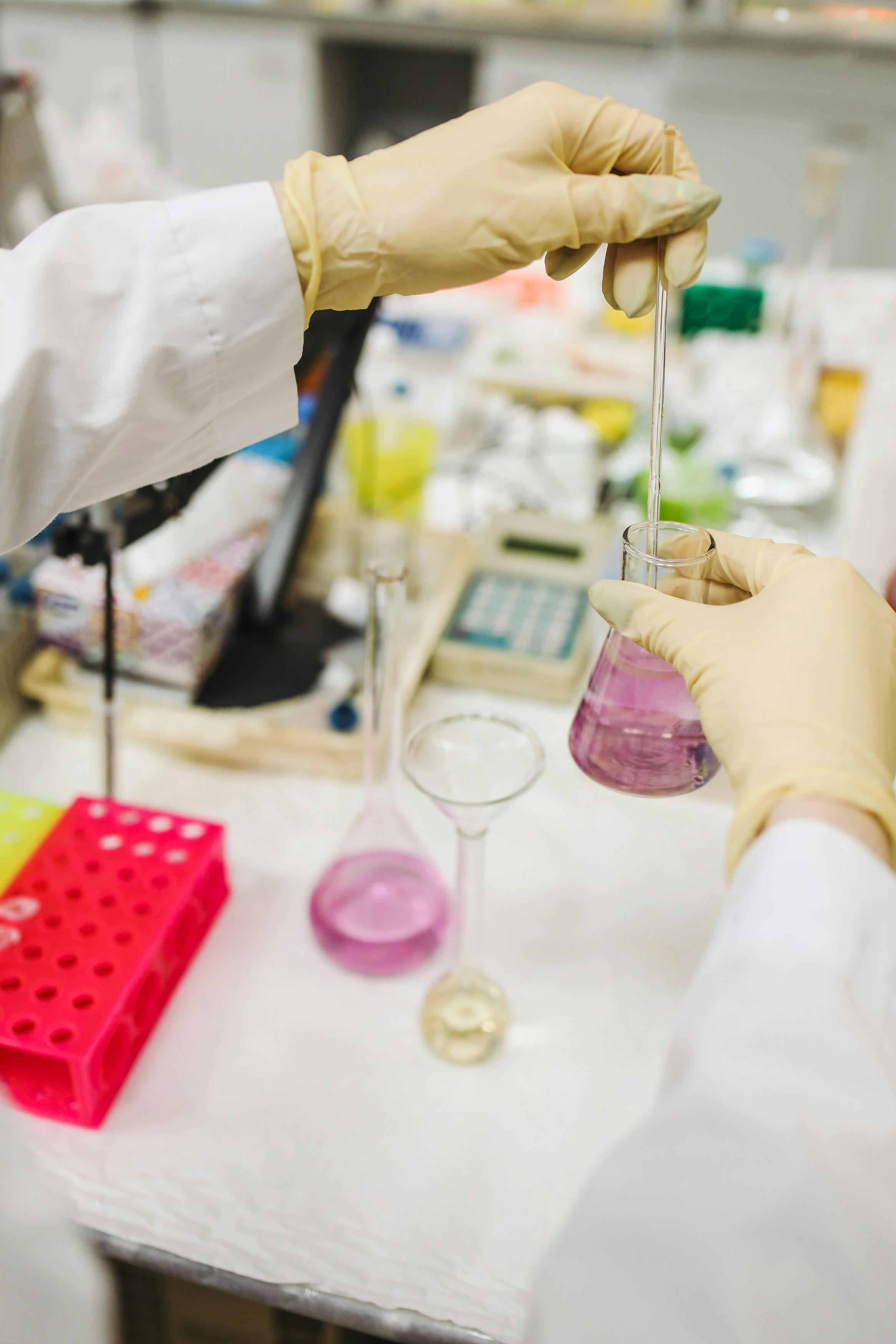
Effective cycling preserves receptor sensitivity and prevents tolerance, ensuring each subsequent peptide cycle maintains its intended potency over time.
Managing Half-Life With Strategic Scheduling
To maximize peptide benefits without overloading your system, manage half-life with strategic scheduling to align peaks with your body’s natural rhythms. For short-acting peptides like BPC-157, schedule doses every four to six hours to maintain a steady, therapeutic blood level without spiking. Conversely, a longer half-life agent such as Epitalon requires only one or two daily windows—timing these to quiet hours can enhance nocturnal repair cascades. Adjust intervals based on your chosen peptide’s specific clearance rate; over-frequent doses waste compound, while gaps risk a sub-therapeutic trough. This precision turns a chemical’s lifespan into your rinse-and-repeat advantage.
Addressing Common User Questions and Missteps
A common misstep with peptides is improper reconstitution, where users add sterile water too vigorously, causing foam that can denature the fragile peptide chains. Always inject the diluent slowly against the vial wall. Storage is another frequent question: most lyophilized peptides should be refrigerated immediately after mixing, not frozen, to prevent degradation from ice crystal formation. A peptide’s stability degrades with each thaw cycle, so it is crucial to portion doses into multiple vials from the start. Finally, users often misunderstand dosage timing; many peptides require a fasted state for optimal absorption, so take them 30 minutes before eating or 2 hours after a meal to avoid interference from digestive enzymes.
What to Expect During the First Weeks of Use
In the first weeks, users often report subtle shifts rather than dramatic changes. You might notice improved recovery from exercise, better sleep quality, or slight increases in energy levels. Some peptides can cause temporary water retention or flushing at the injection site. The most critical phase is the initial peptide loading period, during which your body adjusts and potential side effects, such as mild nausea or headaches, typically resolve. Consistent dosing and timing are paramount.
- Gradual improvements in joint comfort or skin elasticity
- Possible brief nausea or lightheadedness post-injection
- Reduced inflammation and faster healing of minor injuries
Recognizing Signs of Ineffective or Poor-Quality Product
Recognizing poor-quality peptides begins with physical inspection. A clear, consistent liquid or lyophilized powder that reconstitutes without residue is expected; cloudiness, discoloration, or visible particles indicate contamination or degradation. Check for a transparent, unbroken seal and intact labels with batch numbers. Visual peptide clarity is a primary sign of quality. Efficacy failures—like no response after appropriate use—often stem from degraded or mislabeled products. Users should also monitor for unusual odors or pH changes.
- Cloudy, discolored, or particulate-filled solution upon reconstitution
- Lack of expected effect despite correct storage and dosage
- Broken vial seals, illegible labels, or missing batch information
- Unusual smell or pH shift compared to previous verified batches
How To Adjust Dosage When Progress Plateaus
When progress plateaus, avoid immediately escalating your peptide dose. Instead, hold the current amount for an extra week to confirm a true stall, not just normal fluctuation. If no response follows, increase by a minimal increment—often 10–20% of the existing dose—rather than doubling. This preserves receptor sensitivity and reduces side-effect risk. Always cycle two days off per week if you haven’t, as continuous use can blunt effectiveness. For some peptides, splitting the daily amount into two smaller administrations (morning and evening) re-engages stalled results. Adjust dosage when progress plateaus only after ruling out poor timing, insufficient hydration, or inadequate sleep, as these mask the compound’s full effect.
To break a plateau, increase dose cautiously by 10–20%, add rest days, or split daily intake—never rush to high amounts without first checking lifestyle factors.