The Pros and Cons of Using Apple Pay for Betting: Why Some Platforms are Not Onboard
In recent years, online betting has surged in popularity, with various payment methods emerging to cater to the needs of punters. Among these, Apple Pay has garnered attention for its convenience and security. However, many betting platforms, especially those offering Apple Pay betting not on GamStop Apple Pay casinos not on GamStop, remain hesitant to adopt this payment method. This article delves into both the advantages and the challenges of using Apple Pay for online betting, as well as insights into why it’s not yet a mainstream option for some operators.
The Rise of Apple Pay
Since its launch, Apple Pay has revolutionized payment processing by providing users with a seamless and secure method of making transactions. It allows customers to pay for goods and services using their Apple devices, such as iPhones, iPads, and Apple Watches, without needing to input credit card information manually. Users can simply authorize transactions with Touch ID or Face ID, ensuring security and convenience.
Benefits of Using Apple Pay for Betting
Online bettors are always on the lookout for the most efficient payment methods, and Apple Pay offers several advantages:
- Speed: Transactions are completed almost instantly, enabling bettors to deposit or withdraw funds without delays.
- Security: Apple Pay employs advanced security features, including tokenization and biometric authentication, which help protect user information.
- User-Friendly: The interface is intuitive, making it easy for users to navigate through payment processes without any steep learning curve.
- Withdrawals: Some platforms that accept Apple Pay allow for instant withdrawals, an important feature for punters who want quick access to their winnings.
Challenges of Implementing Apple Pay in Betting Platforms
Despite its many benefits, there are several reasons why many betting platforms continue to shy away from adopting Apple Pay:
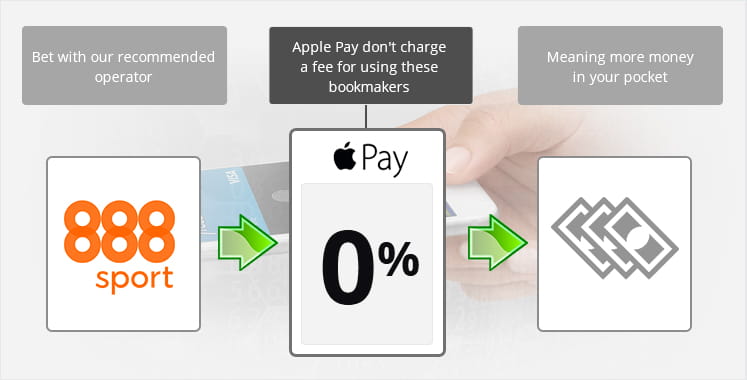
- Transaction Fees: Apple Pay charges merchants a fee per transaction, which may deter smaller betting operators from integrating this payment method.
- Regulatory Concerns: Some jurisdictions impose strict regulations on online gambling and payment processing, making it challenging for platforms to implement Apple Pay in a compliant manner.
- Limited Availability: At present, not all betting websites can accept Apple Pay, which limits its appeal to a wider audience.
- Integration Issues: Integrating Apple Pay into existing payment systems may require additional technical resources and expertise that some operators lack.
Why Some Betting Platforms are Not Onboard with Apple Pay
The reasons why some betting platforms have opted not to incorporate Apple Pay are varied and multifaceted:
- Target Demographics: Some betting companies may know their target audience prefers alternative payment methods, such as PayPal or credit cards, which can cause them to skip on Apple Pay.
- Focus on Alternatives: Certain online bookmakers prioritize offering a wider range of traditional payment methods over newer options to cater to a broader customer base.
- Market Trends: With the financial landscape constantly evolving, some platforms may be hesitant to commit to a payment option that could quickly become outdated.
The Future of Apple Pay in the Betting Industry
The landscape of online betting is constantly changing, and as more punters adapt to using digital wallets and mobile payment solutions, it’s plausible that Apple Pay will see greater adoption among betting platforms. Factors that could influence this trend include:

- Increased Demand: As more bettors seek fast and secure payment methods, the pressure for platforms to adopt Apple Pay may increase.
- Enhanced Security Features: Continuing improvements in security may make Apple Pay more attractive for betting companies concerned about fraud.
- Infrastructural Evolution: As technology progresses, integrating Apple Pay may become easier and more cost-effective for betting platforms, encouraging wider adoption.
Conclusion
While Apple Pay has emerged as a strong contender for online transactions due to its security and ease of use, many betting sites still hesitate to adopt it. The combination of transaction fees, regulatory complexities, and integration challenges represents a significant barrier. However, as the online betting market evolves and more punters express interest in Apple Pay, betting platforms may be compelled to reconsider the value of this payment option.
In conclusion, the future of Apple Pay within the betting industry remains uncertain but holds promise. The balance between consumer demand and operational challenges will dictate whether Apple Pay becomes a standard option for online betting or remains a niche choice.